
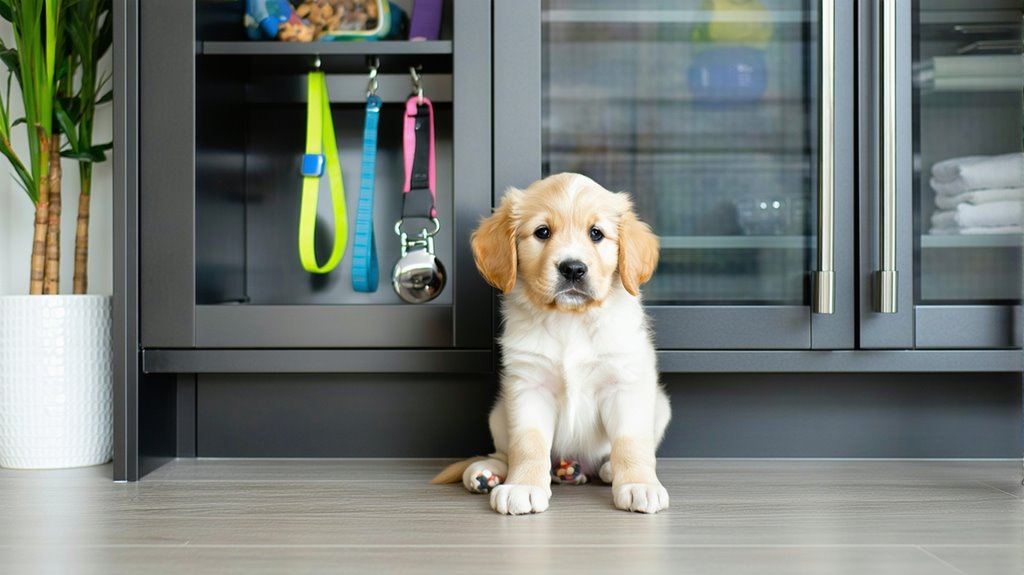
Pet-proof storage creates clear boundaries that positively influence your puppy's behaviour. By removing tempting items from reach and establishing designated spaces for toys and activities, you can reduce anxiety and prevent unwanted chewing behaviours. A clutter-free, organised environment helps your puppy understand what is allowed and makes training more effective. By implementing smart storage solutions throughout your home, you set the foundation for a well-mannered, confident companion.
Some key takeaways
- Organised storage eliminates tempting distractions, allowing puppies to focus better during training sessions and daily activities.
- Secure storage prevents unwanted chewing behaviours, helping puppies learn appropriate object interactions from the start.
- Clutter-free environments reduce anxiety and stress, promoting more confident and well-adjusted puppy behaviour.
- Designated toy storage teaches puppies to distinguish between their belongings and off-limits household items.
- Clear boundaries created by proper storage help puppies understand house rules, leading to more consistent behaviour patterns.
The Psychology Behind Organized Pet Spaces
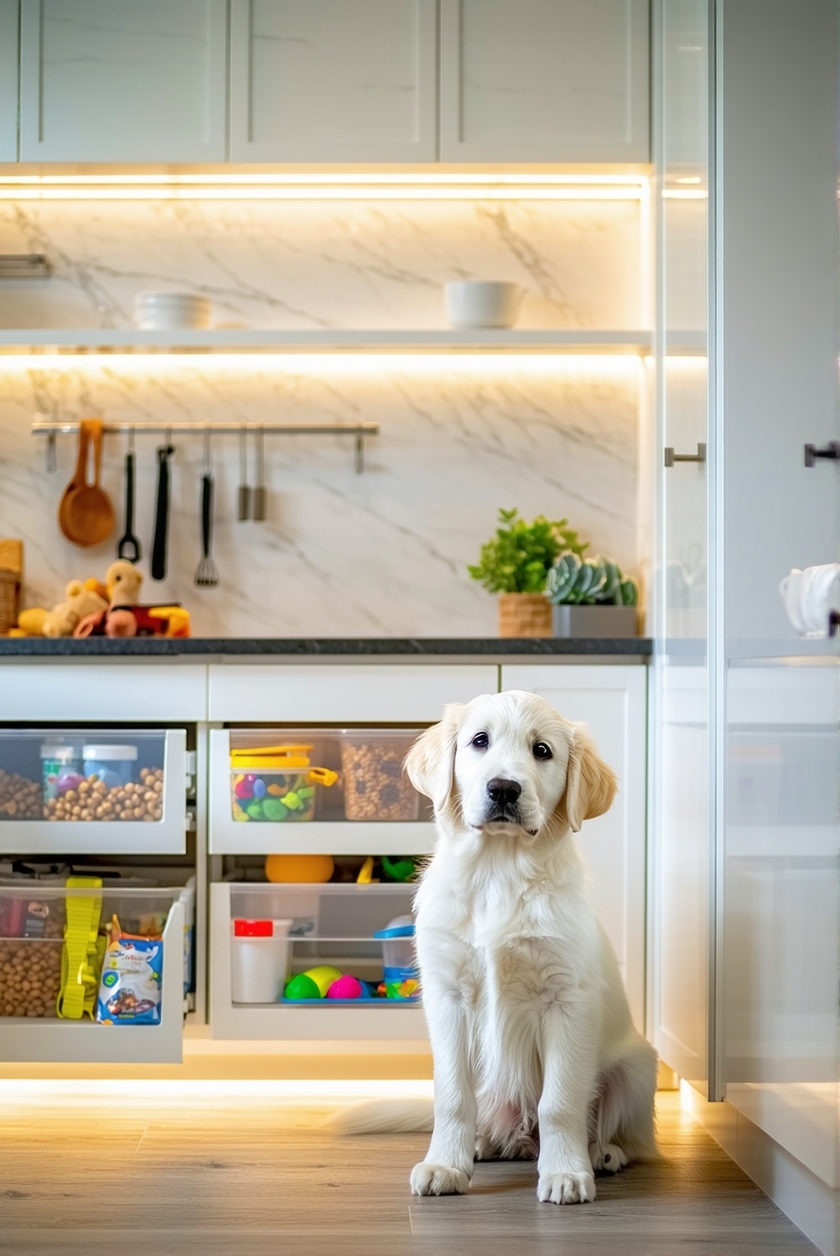
When you create an organised space for your puppy, you're doing more than just tidying up – you're establishing a foundation for their psychological well-being.
A structured environment helps your puppy feel secure by clearly defining where their toys, food, and bed belong, reducing anxiety and promoting confident exploration of their surroundings.
Creating Safe Zones Through Strategic Storage
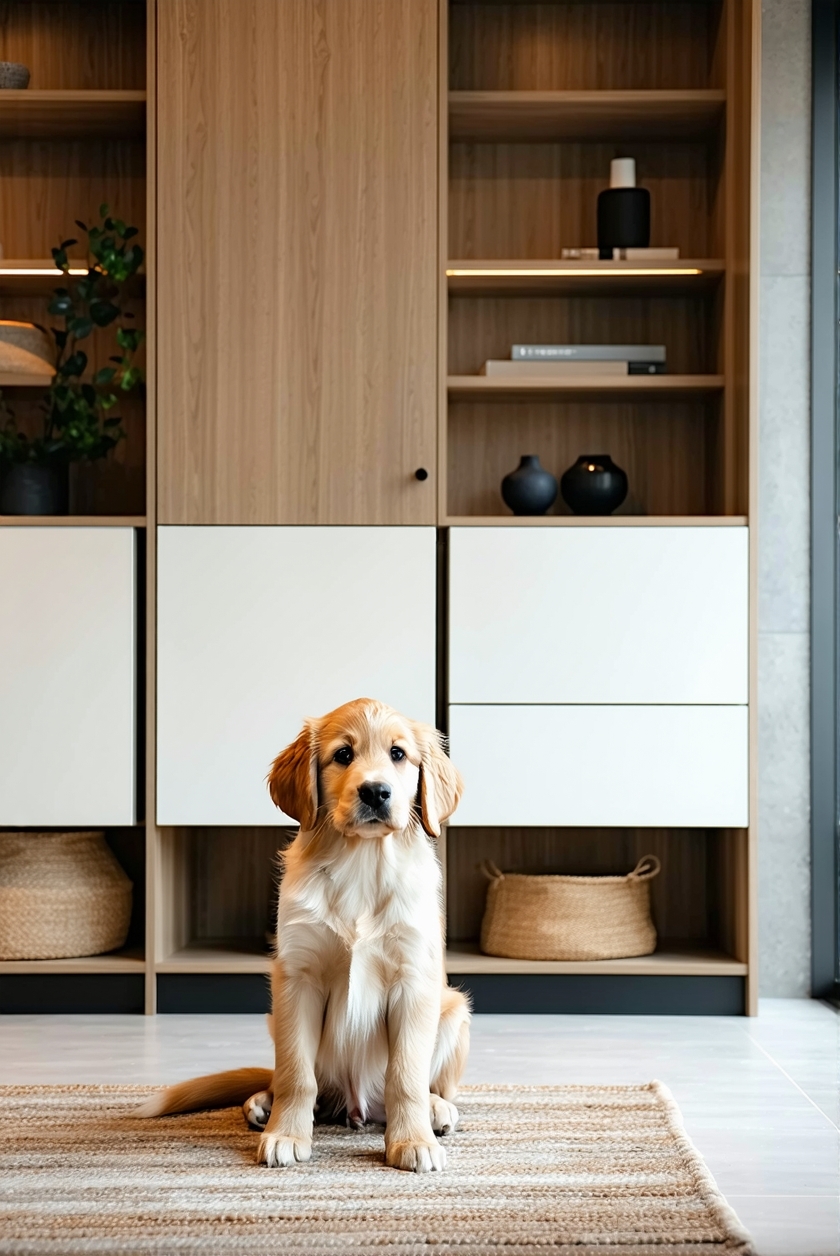
Building on your puppy's psychological need for structure, strategic storage plays a key role in creating safe zones throughout your home.
As pet owners, you'll find that taking proactive measures to secure items prevents unwanted behaviours such as chewing on furniture. By designating specific storage areas, you're creating boundaries that help your puppy understand their limits.
Here are four essential steps to create a secure environment:
- Store small objects and toxic substances in sealed containers above puppy height.
- Install childproof locks on cabinets containing cleaning supplies.
- Use elevated hooks or closed cupboards for shoes and personal items.
- Place dog-proof bins in strategic locations for quick cleanup.
Remember to adjust your storage solutions as your puppy grows, ensuring they remain effective while reinforcing positive behaviour patterns through clear boundaries and consistency.
Decluttering Your Way to Better Puppy Behavior
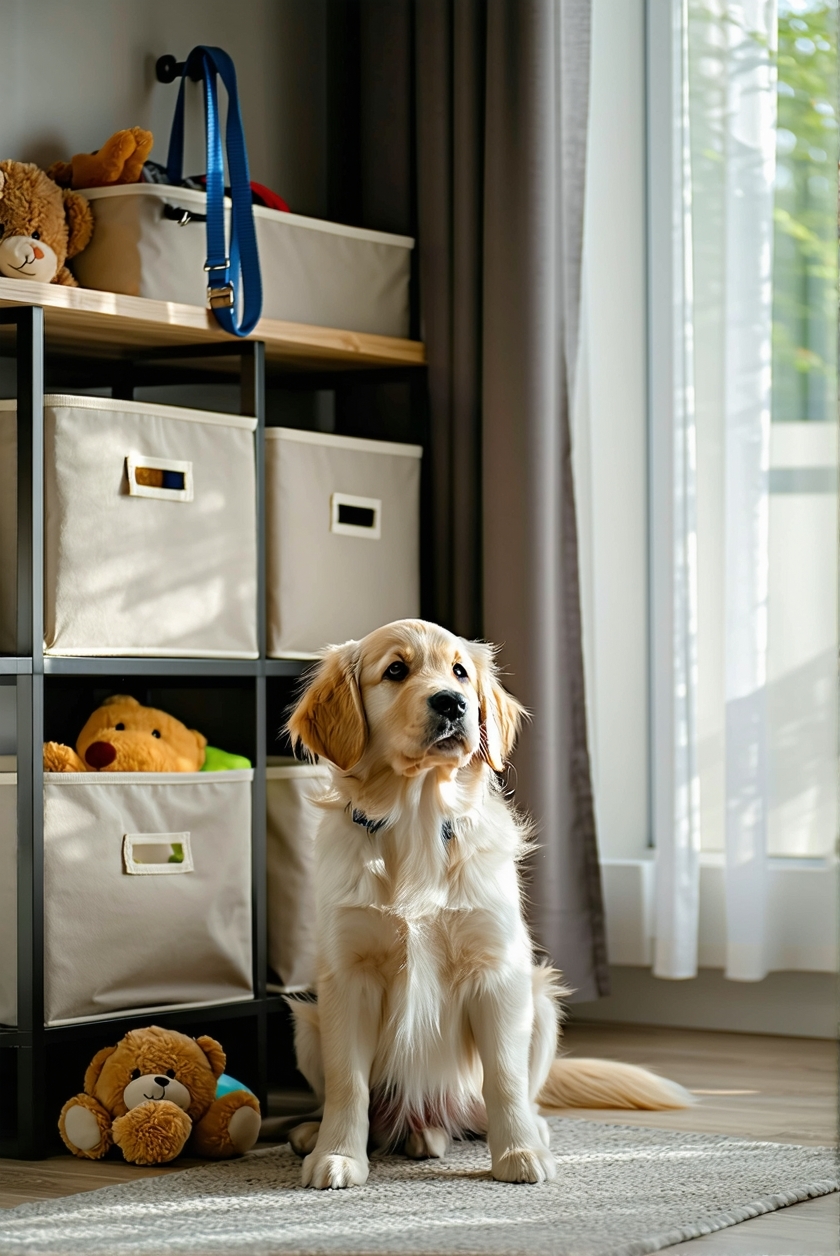
A clutter-free home serves as the foundation for successful puppy training and behaviour management.
When you're decluttering your space, you're actually creating an organised environment that reduces temptations and sets clear boundaries for your puppy's development.
Smart Storage Solutions for Common Puppy Temptations
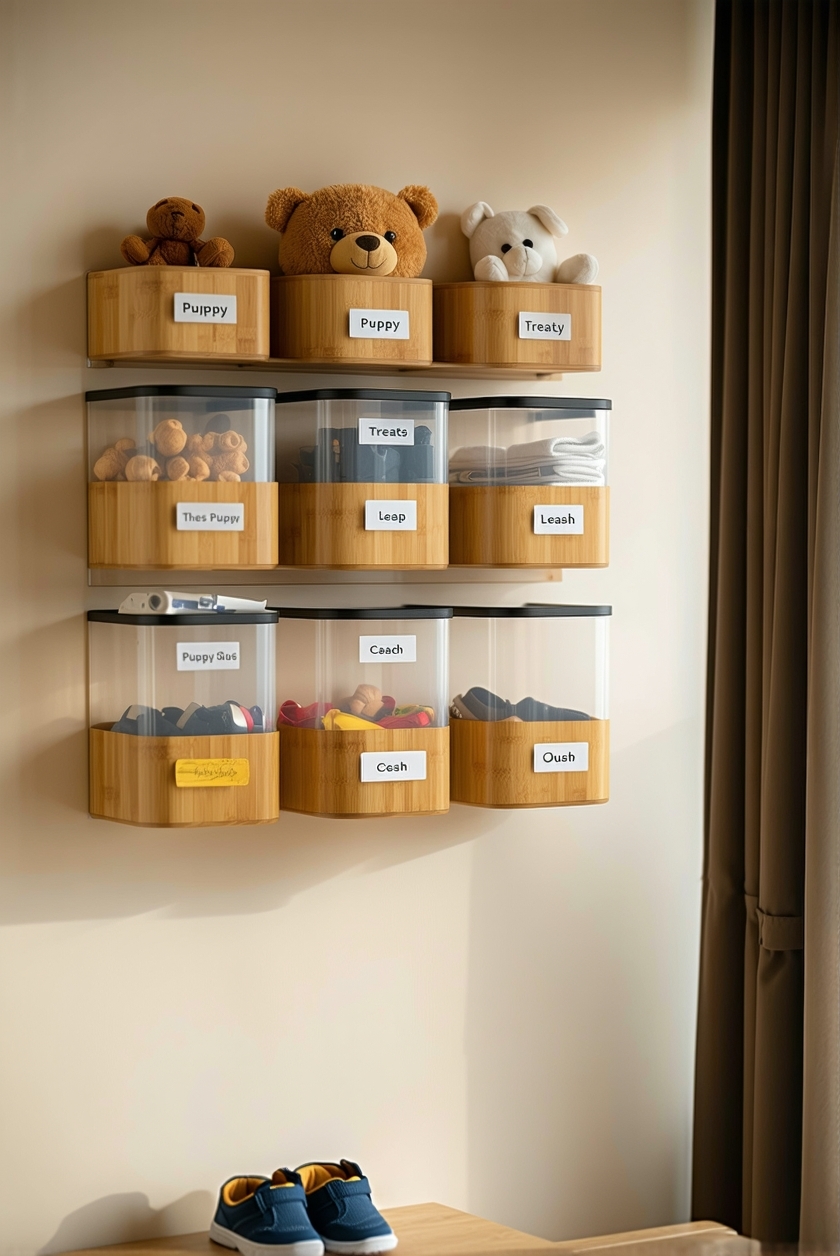
As your puppy explores their new environment, strategic storage solutions become essential for protecting both your belongings and your pet's safety.
By implementing smart storage practices, you'll create boundaries that support positive training outcomes while preventing destructive chewing behaviours.
Here's how to secure common puppy temptations:
- Store shoes, handbags, and accessories in clear plastic totes that keep items visible yet inaccessible to your curious pet.
- Place decorative items and fragile furniture pieces on elevated surfaces where your puppy can't reach them during training.
- Install childproof locks on cabinets containing toxic substances or food items that might tempt your pet.
- Use cord protectors and organise wires behind furniture or in covered raceways to prevent dangerous chewing incidents.
These storage solutions won't just protect your belongings—they'll help establish clear boundaries for your puppy's behaviour.
Training Benefits of a Well-Organized Home
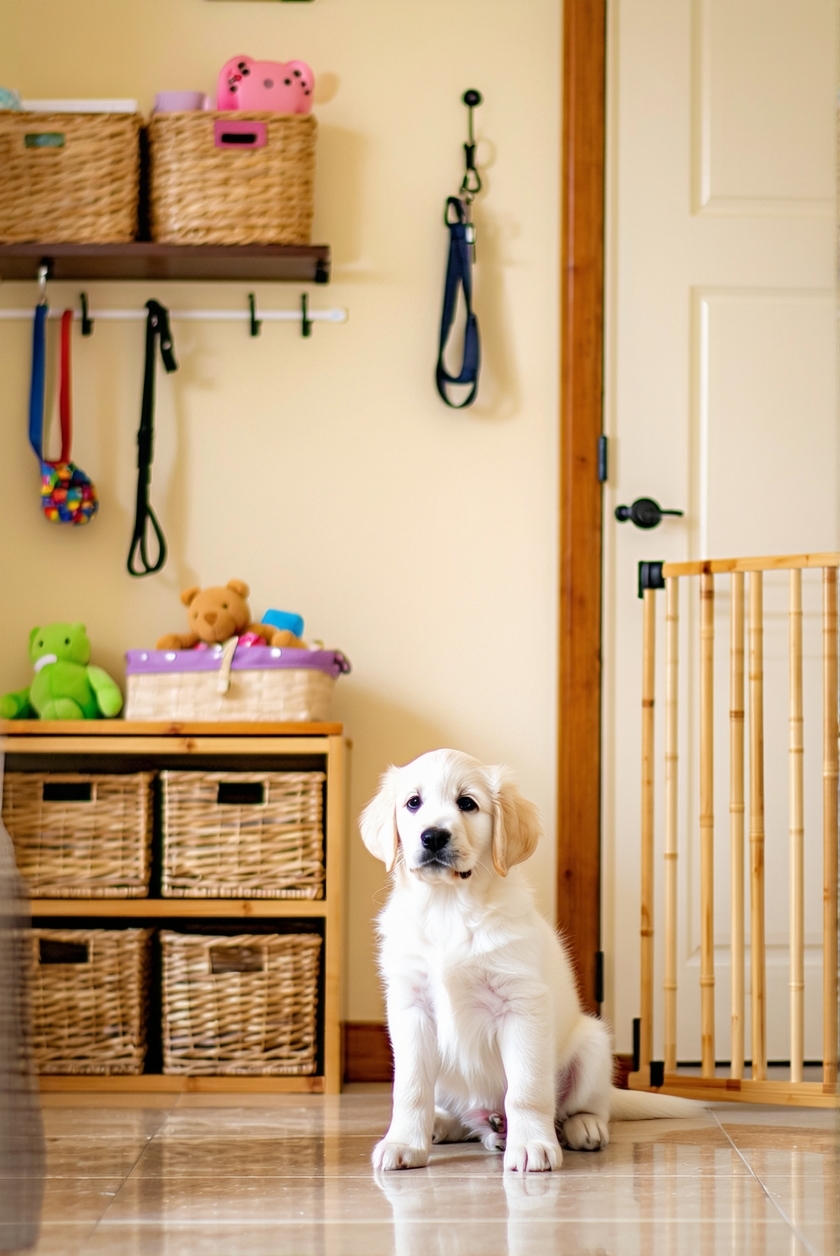
When your home maintains clear organisation and structure, your puppy's training journey becomes considerably more effective and streamlined.
As your puppy grows, they'll naturally respond better to obedience training in a clutter-free environment where distractions are minimal and expectations are clear.
You'll find it easier to supervise your puppy when household items are properly stored and clear boundaries are established.
This organised setup complements crate training by creating consistent rules throughout your home.
With designated toys readily available and tempting items safely tucked away, you're setting your puppy up for success in learning appropriate play behaviours.
Preventing Problem Behaviors Through Proper Storage
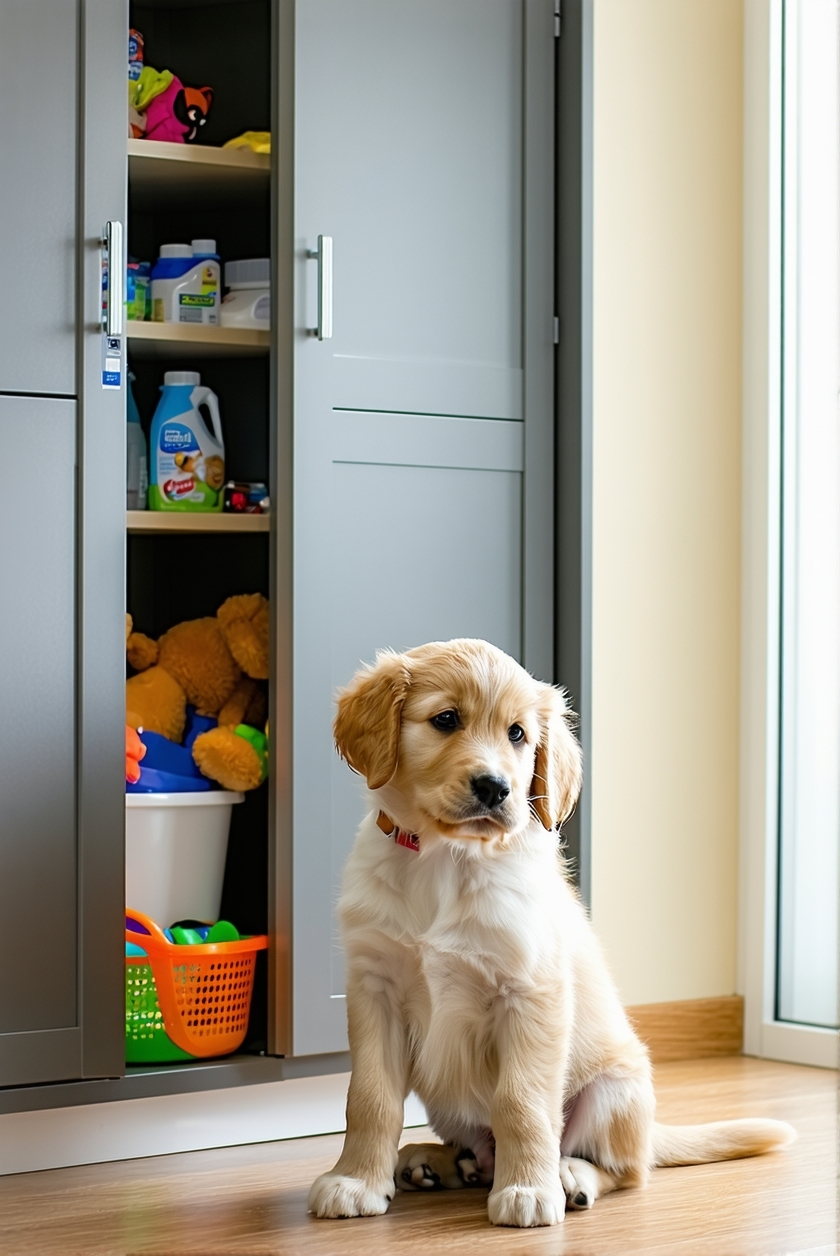
Proper storage solutions serve as your first line of defence against unwanted puppy behaviours. As pet parents, you'll find that smart storage prevents destructive behaviour by keeping tempting items out of your puppy's reach.
When your puppy can't access inappropriate items, they're more likely to focus on their own toys and approved chew items.
Here's how proper storage prevents problem behaviours:
- Keep shoes and bags in closed containers to discourage chewing on furniture and personal items.
- Store cleaning supplies and toxic substances in high cabinets to eliminate accidental exposure.
- Use designated storage areas for puppy toys to encourage appropriate play choices.
- Install cord protectors and secure loose wires to prevent dangerous chewing incidents.
Essential Storage Tools for Puppy Management
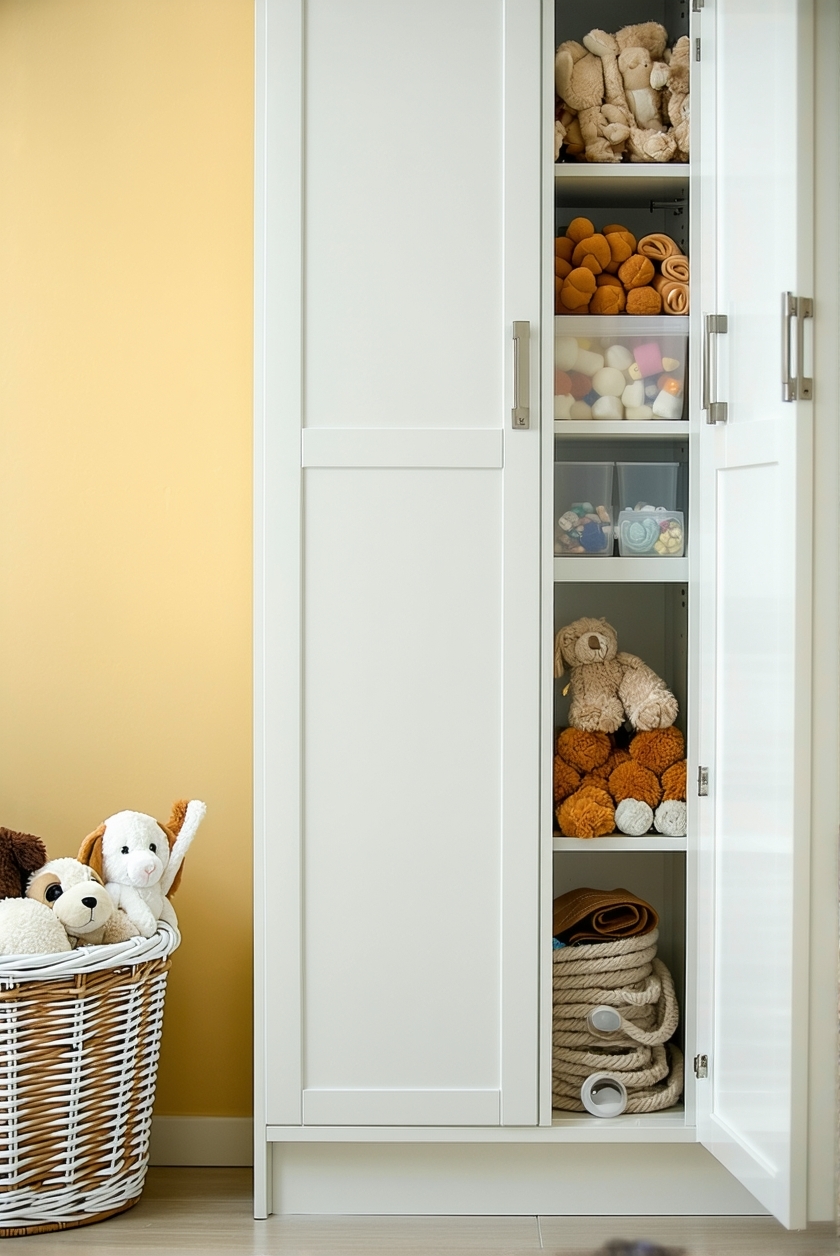
Smart storage tools form the foundation of effective puppy management in your home.
You'll find that plastic tote boxes become invaluable allies in protecting shoes and handbags from your curious puppy's teeth, while wall-mounted hooks and shelves keep treasured items safely elevated.
Don't overlook the importance of protective covers and cord protectors for your home's electrical system – they're essential for preventing dangerous chewing habits.
For ideal organisation, establish dedicated zones for your dog's toys and supplies. This clear boundary-setting helps your puppy understand which items are appropriate for play.
Remember to secure cleaning products and medications behind childproof locks in cabinets.
These practical storage solutions not only protect your belongings but also create a structured environment where your puppy can thrive without developing destructive behaviours.
Room-by-Room Storage Strategies for Puppy Success
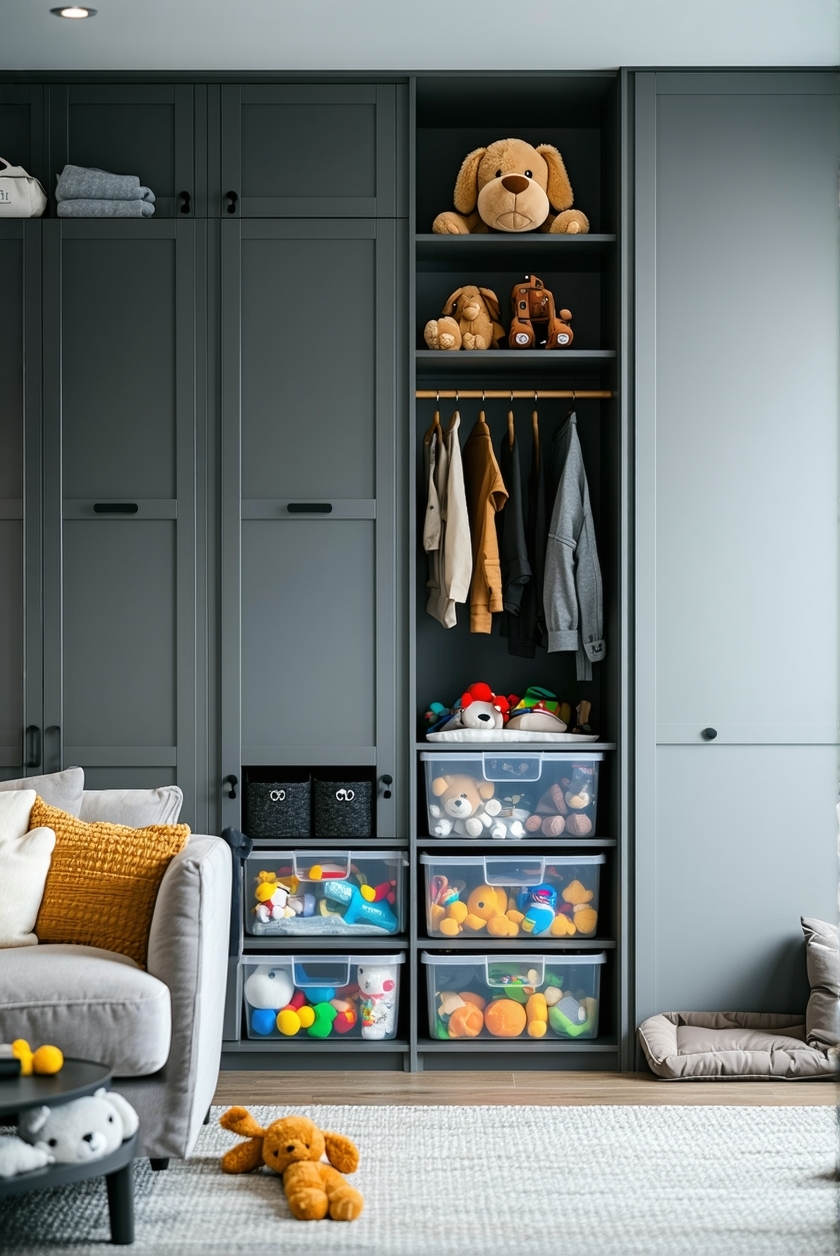
As you develop your puppy-proofing strategy, tackling storage solutions room by room guarantees thorough protection throughout your home.
When training your puppy, creating safe spaces in each area helps reduce separation anxiety and prevents destructive behaviours.
- Kitchen: Install childproof locks on lower cabinets and designate a high shelf for toxic cleaning supplies that your new puppy can't reach.
- Living Room: Use cord protectors for electronics and elevate entertainment items with wall-mounted storage.
- Bedroom: Keep shoes in closed wardrobes and use plastic tote boxes for storing small items that dogs might mistake for toys.
- Home Office: Organise cables in protective boxes and position your puppy's crate near your workspace for supervision.
Remember to regularly assess these storage solutions as your puppy grows, adjusting them to maintain effectiveness and reinforce proper boundaries.
Long-Term Storage Solutions as Your Puppy Grows
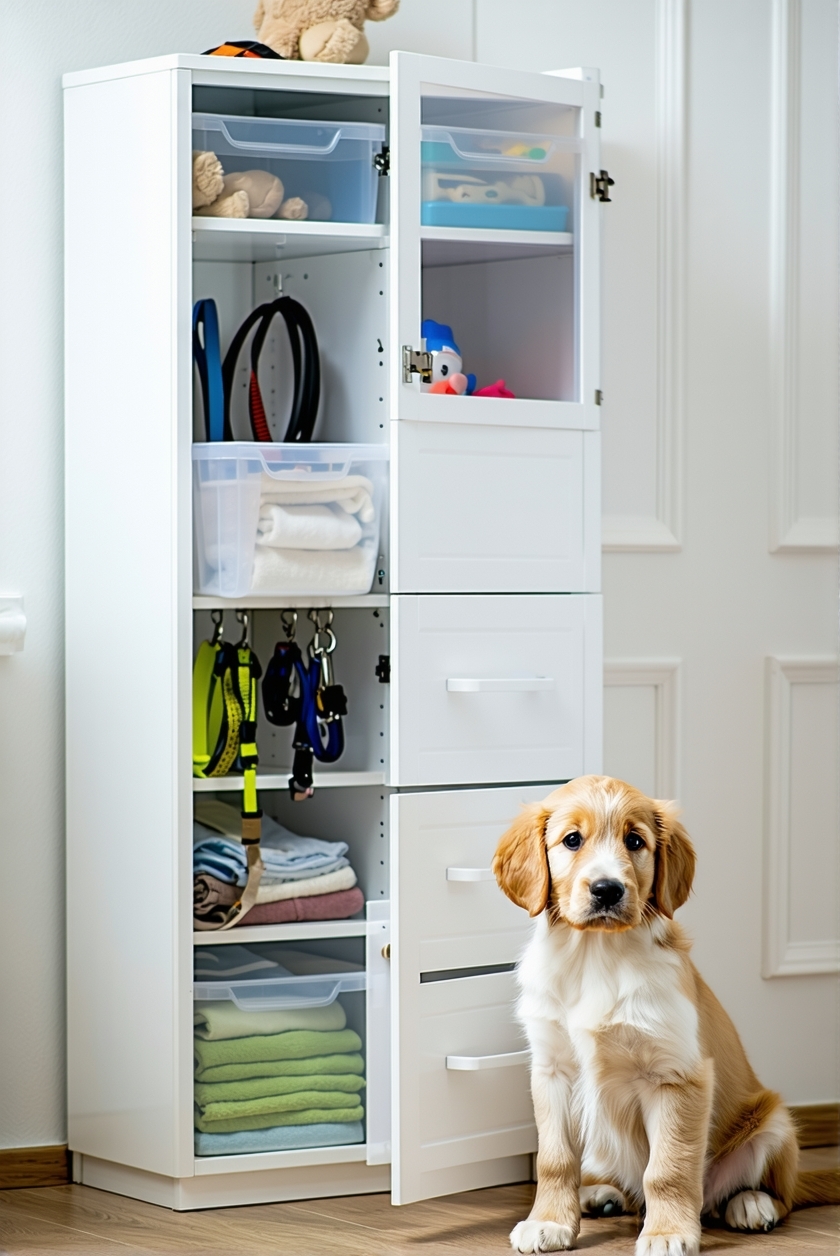
As your puppy transitions from a tiny explorer to a fully-grown dog, implementing adaptable storage solutions will protect both your belongings and their well-being.
Establish designated storage areas using clear plastic totes to minimise temptation and allow for visual monitoring of your puppy's toys and essentials. You'll find this method helps maintain engagement and prevent boredom-related destructive behaviours.
To keep your puppy safe throughout their developmental stages, secure hazardous items in locked cabinets or on high shelves.
Long-term storage solutions should evolve with your growing puppy's changing needs and increasing mobility.
Make it a habit to regularly assess and reorganise your storage setup, ensuring new potential hazards are addressed promptly.
This proactive approach creates a consistently secure environment that supports positive behaviour as your puppy matures.
Frequently asked questions
Is It Safe to Take My Puppy to the Pet Store?
Yes, you can safely take your puppy to the pet shop, but you'll need to follow some important guidelines.
Wait until your pup is fully vaccinated to protect them from potential illnesses.
Keep visits brief to prevent overstimulation, and always use a lead for control.
You'll want to supervise closely to ensure they don't chew on merchandise or get too overwhelmed.
These visits can be great socialisation opportunities when managed properly.
Why Do Puppies Like Confined Spaces?
Your puppy seeks confined spaces because they provide natural comfort and security, much like their ancestral den environments.
You'll notice they feel protected, warm, and safe in these cosy spots.
They're following their instincts when they curl up in small spaces, as it helps them manage anxiety and feel more in control of their surroundings.
When you understand this behaviour, you can better support your pup's need for a secure retreat.
Do Puppies Get Better Behaved?
Yes, your puppy will become better behaved over time with proper training and consistency.
You'll notice significant improvements in their behaviour between 4-6 months of age as they develop better impulse control.
While they'll naturally mature, you'll see the best results when you combine age-appropriate training with a well-structured environment.
At What Age Can You Let a Puppy Roam the House?
Like observing a child take their first steps, allowing your puppy to roam freely is a gradual milestone.
You'll want to wait until they're between 12 to 24 months old before granting them full access to the house.
Start small by testing their reliability in one puppy-proofed room after they've mastered crate training.
Keep an eye out for signs they're ready: consistent potty habits, reduced chewing, and the ability to follow basic commands.
To summarise
Taking control of your storage isn't just about keeping your home tidy – it's a game-changer for your puppy's behaviour. When you're barking up the right tree with smart storage solutions, you'll notice fewer destructive behaviours and more positive training outcomes. By implementing these storage strategies throughout your home, you're setting your puppy up for success while creating a safer, more organised environment for everyone.


